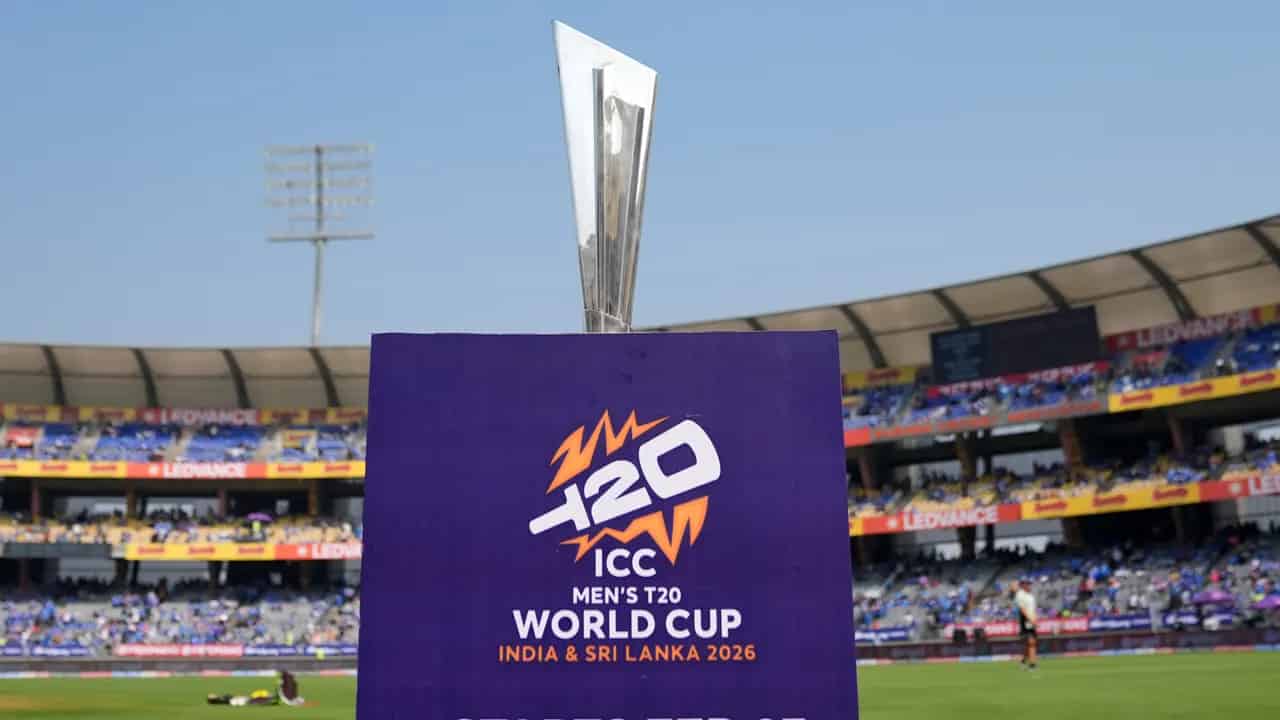
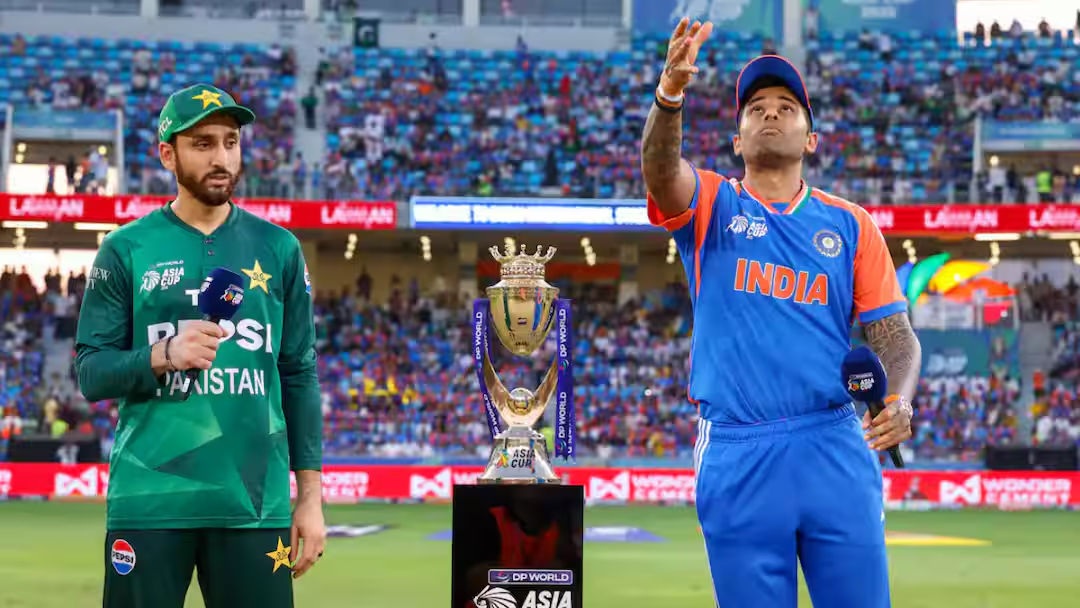
The International Cricket Council (ICC) has issued a strong and detailed response following the Pakistani government’s announcement to boycott Pakistan’s scheduled T20 World Cup 2026 match against India.
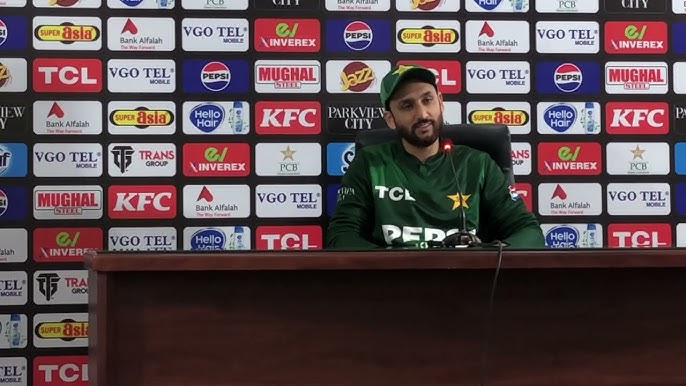
In its official statement, the ICC clarified that it has not yet received any formal or written communication from the Pakistan Cricket Board (PCB) regarding withdrawal from the February 15 fixture. Until such confirmation is received, the global body continues to treat the tournament schedule as unchanged while closely monitoring developments.
ICC flags serious consequences
The ICC expressed concern over Pakistan’s decision of “selective participation,” stating that it contradicts the core principles of global sporting events. Without explicitly naming sanctions, the statement strongly hinted at potential consequences such as heavy financial penalties, loss of future hosting rights, or even suspension from ICC competitions.
In its statement, the ICC said:
“Selective participation is difficult to reconcile with the fundamental premise of a global sporting event where all qualified teams are expected to compete on equal terms.”
The governing body further emphasized that ICC tournaments are built on integrity, fairness, competitiveness and consistency, warning that a boycott undermines the sanctity of international cricket.
Respect for governments, but concern for the game
While acknowledging the role of national governments in policy decisions, the ICC stressed that Pakistan’s stance is “not in the interest of the global game or the welfare of fans worldwide,” including millions within Pakistan itself. The ICC urged the PCB to consider the long-term impact such a move could have on cricket in the country and the broader cricketing ecosystem.
The ICC added that its top priority remains the smooth and successful conduct of the ICC Men’s T20 World Cup 2026 and called on the PCB to work toward a mutually acceptable solution that safeguards the interests of all stakeholders.
How the controversy began
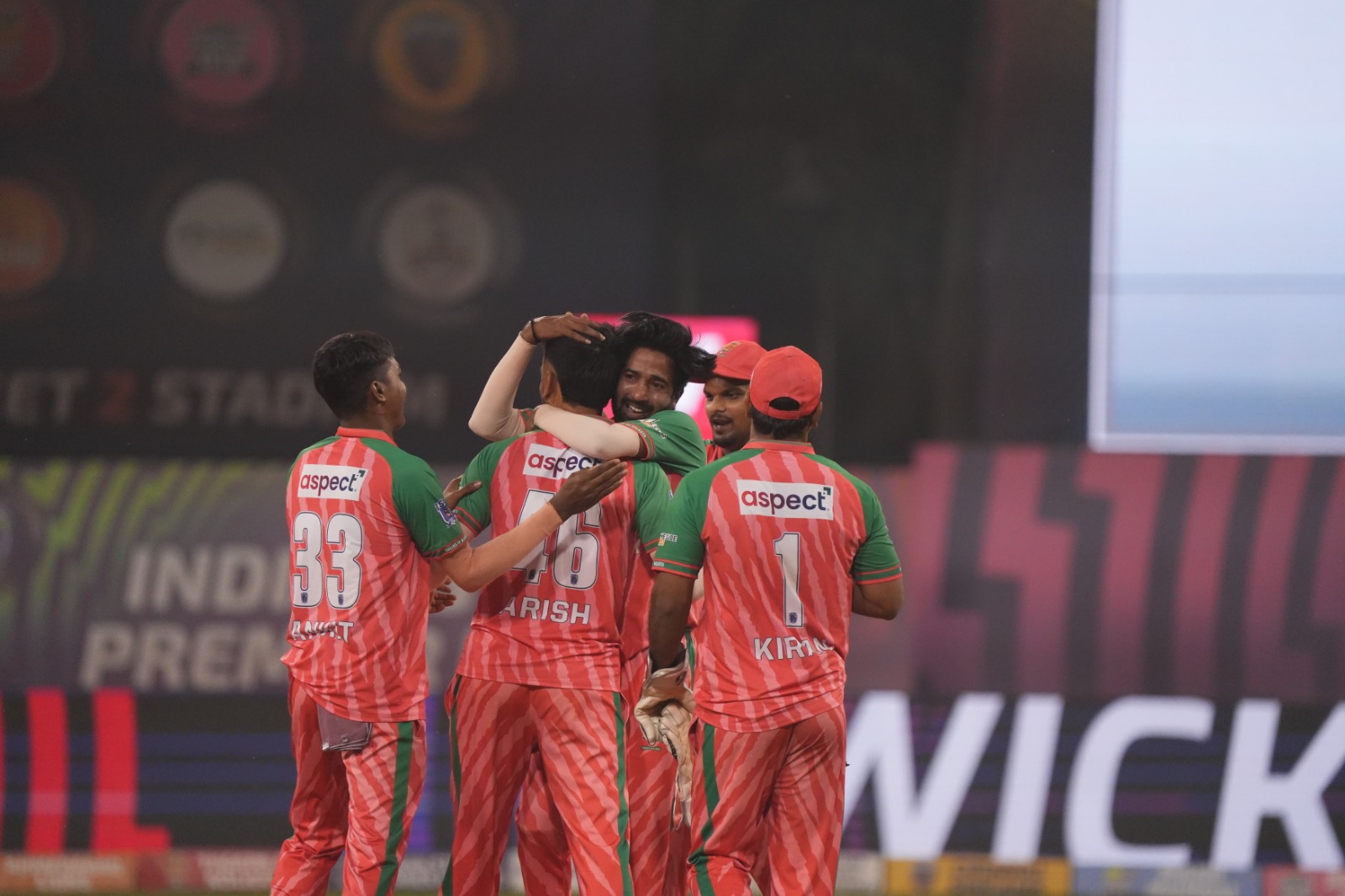
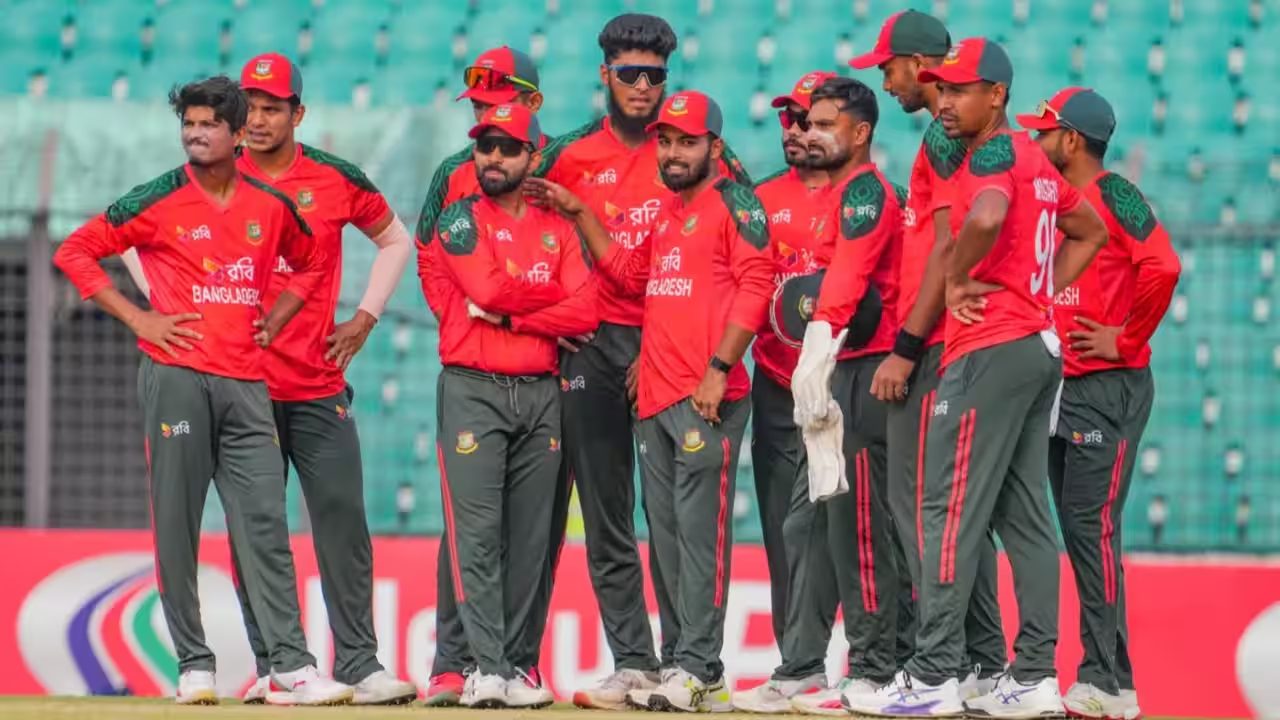
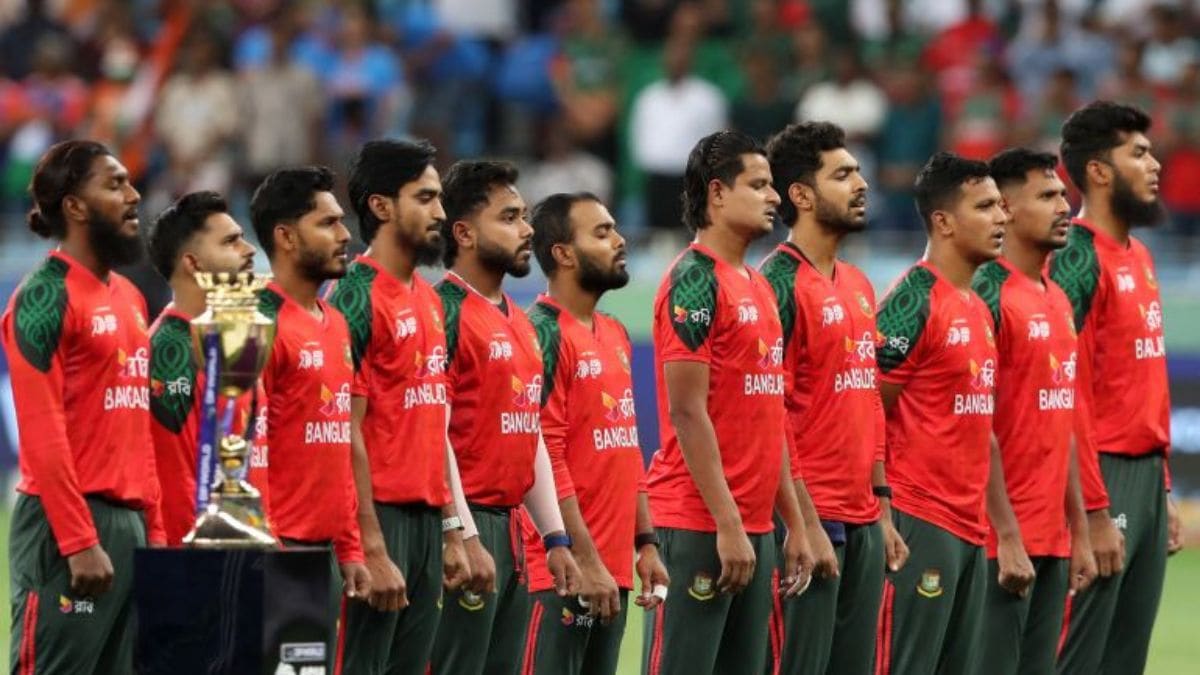
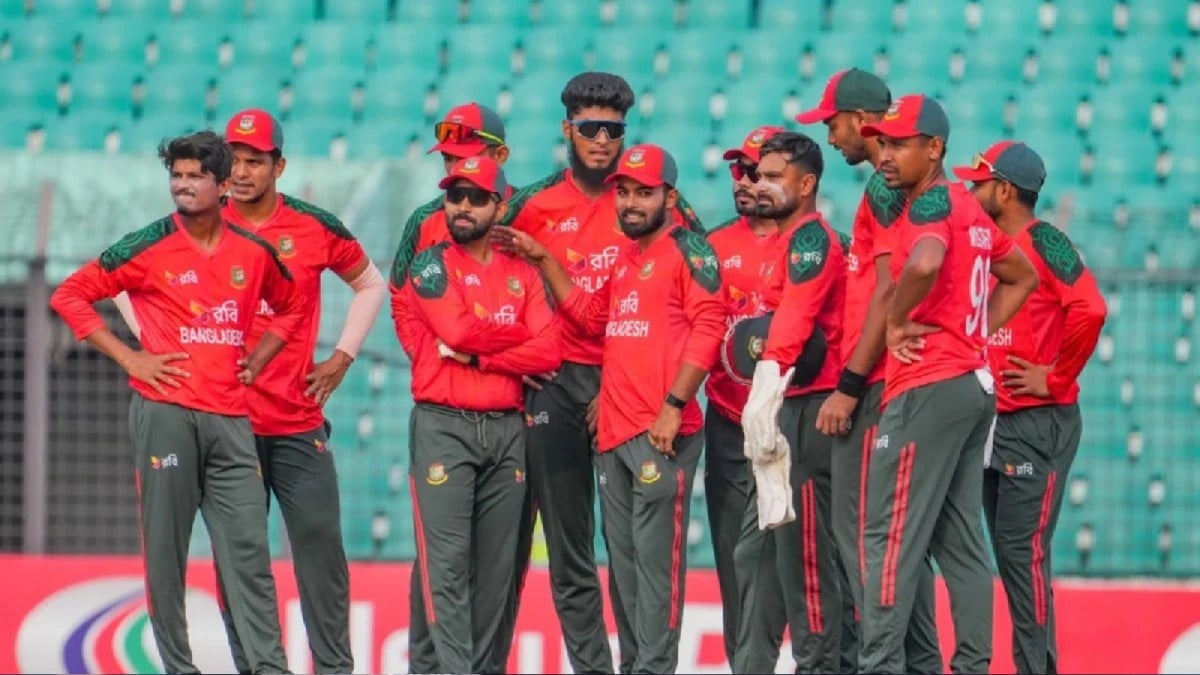
The standoff traces back to January 24, when the ICC removed Bangladesh from the tournament after the Bangladesh Cricket Board refused to play matches in India citing security concerns. The PCB, led by chairman Mohsin Naqvi, openly criticised the ICC’s decision, accusing it of double standards. The matter was later referred to the Pakistani government, which granted conditional approval—allowing participation in the tournament but excluding the India match.
Group-stage impact
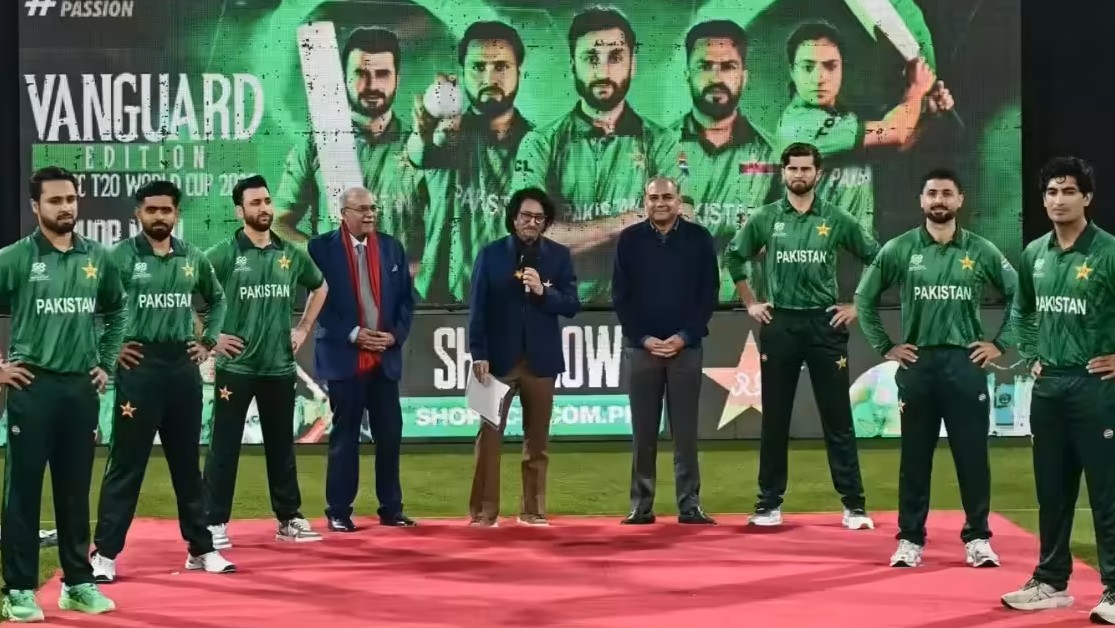
Pakistan are placed in Group A alongside India, Namibia, the Netherlands and the USA, with all their matches scheduled in Sri Lanka, a co-host of the tournament. Their campaign begins on February 7 against the Netherlands, followed by matches against the USA and Namibia.
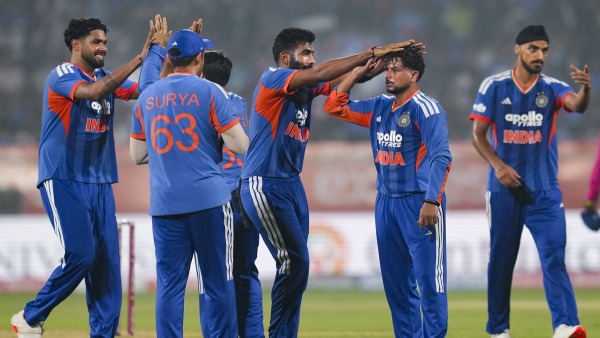
If Pakistan go ahead with the boycott, they will forfeit the match against India and automatically lose two points. Under ICC playing conditions, the penalty goes further—Pakistan’s net run rate would be calculated as if they had played a full 20-over innings without scoring a run, while India’s NRR would remain unaffected. This could severely damage Pakistan’s chances of qualifying for the next stage, even if they win their remaining group matches.
With the World Cup fast approaching, the cricketing world now awaits whether the PCB will reconsider its stance or face the full weight of ICC regulations.