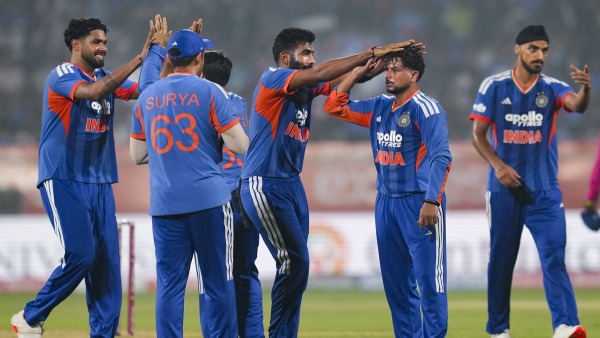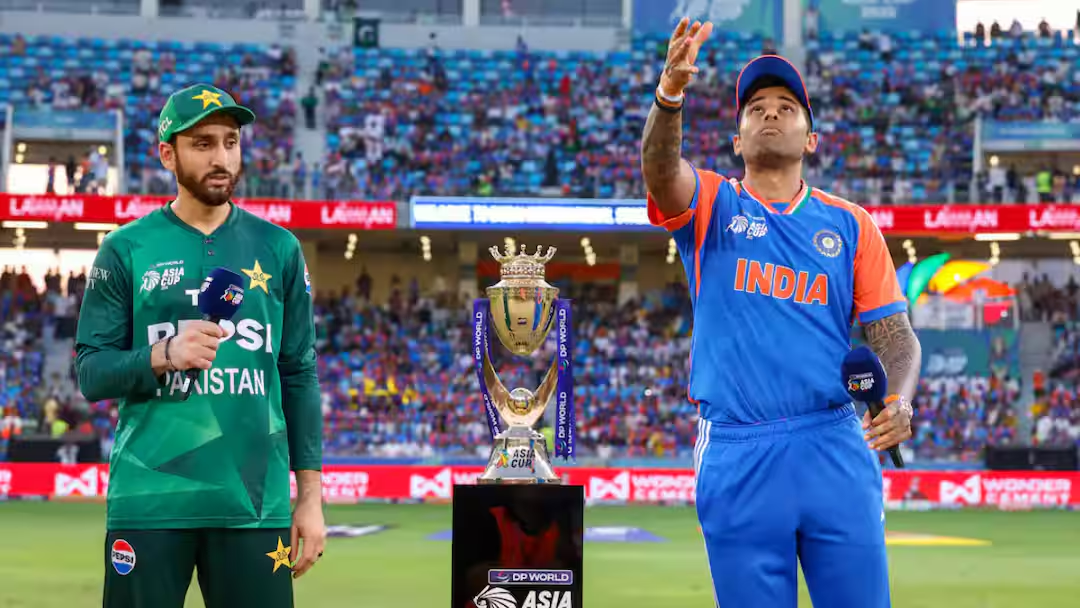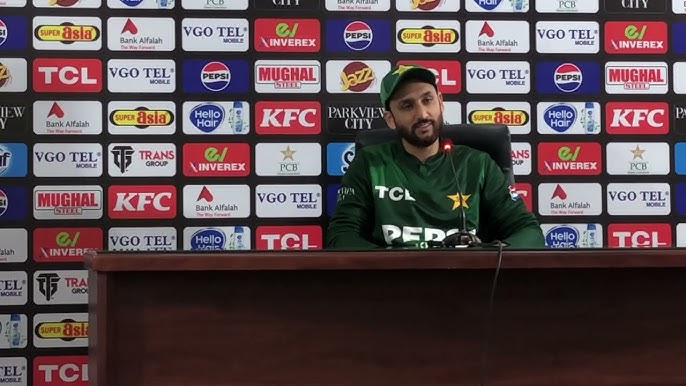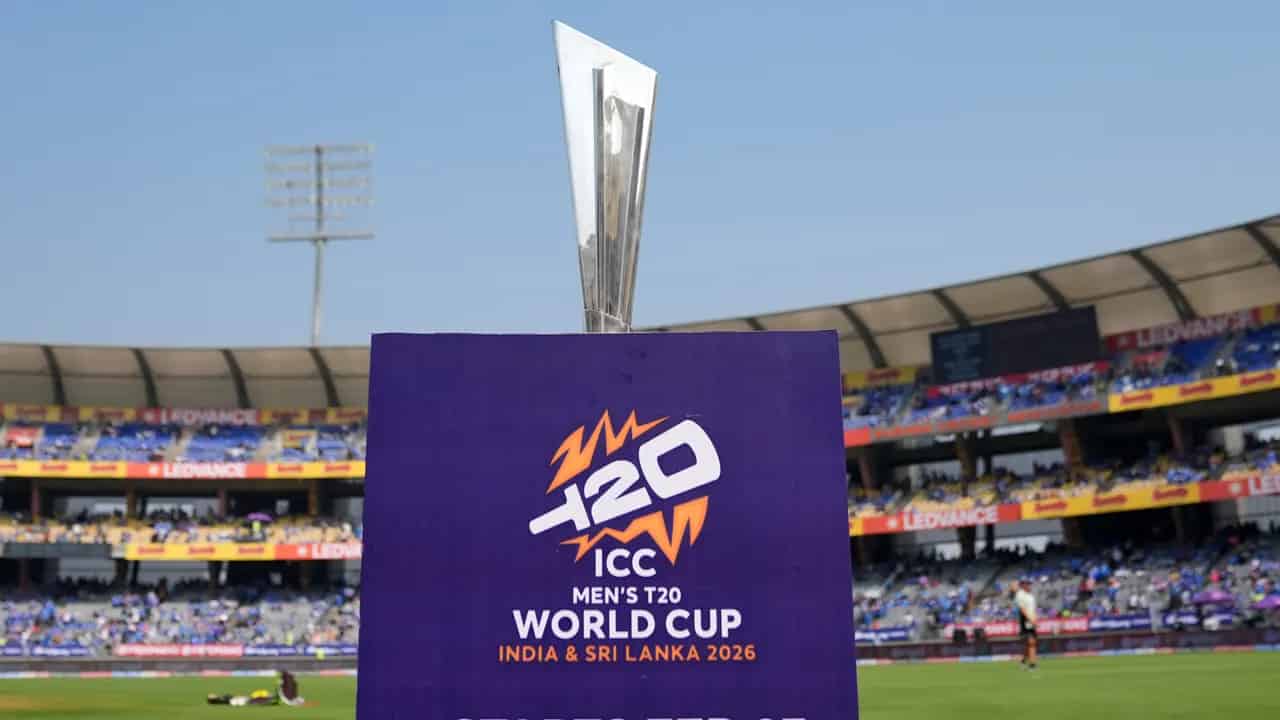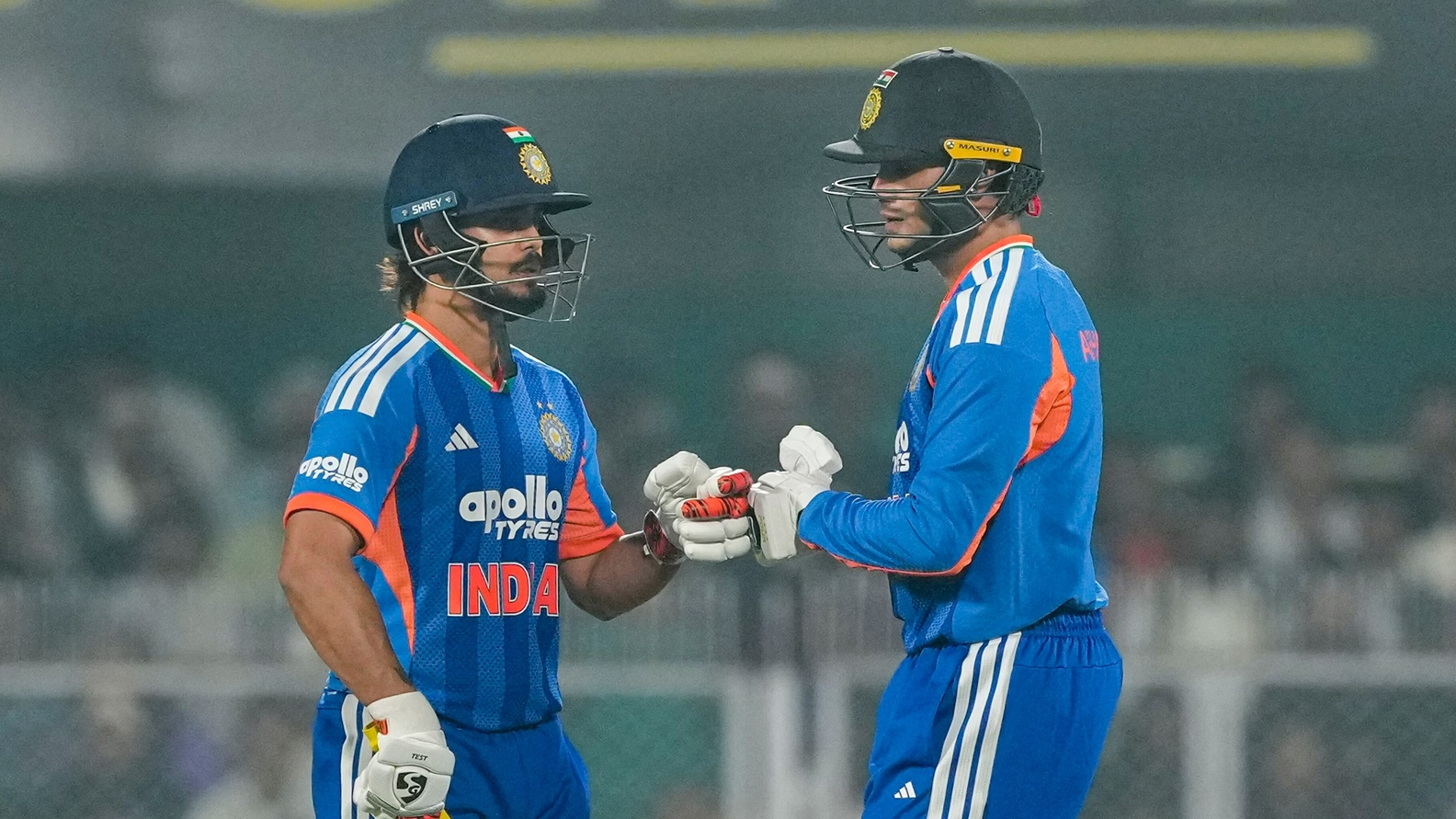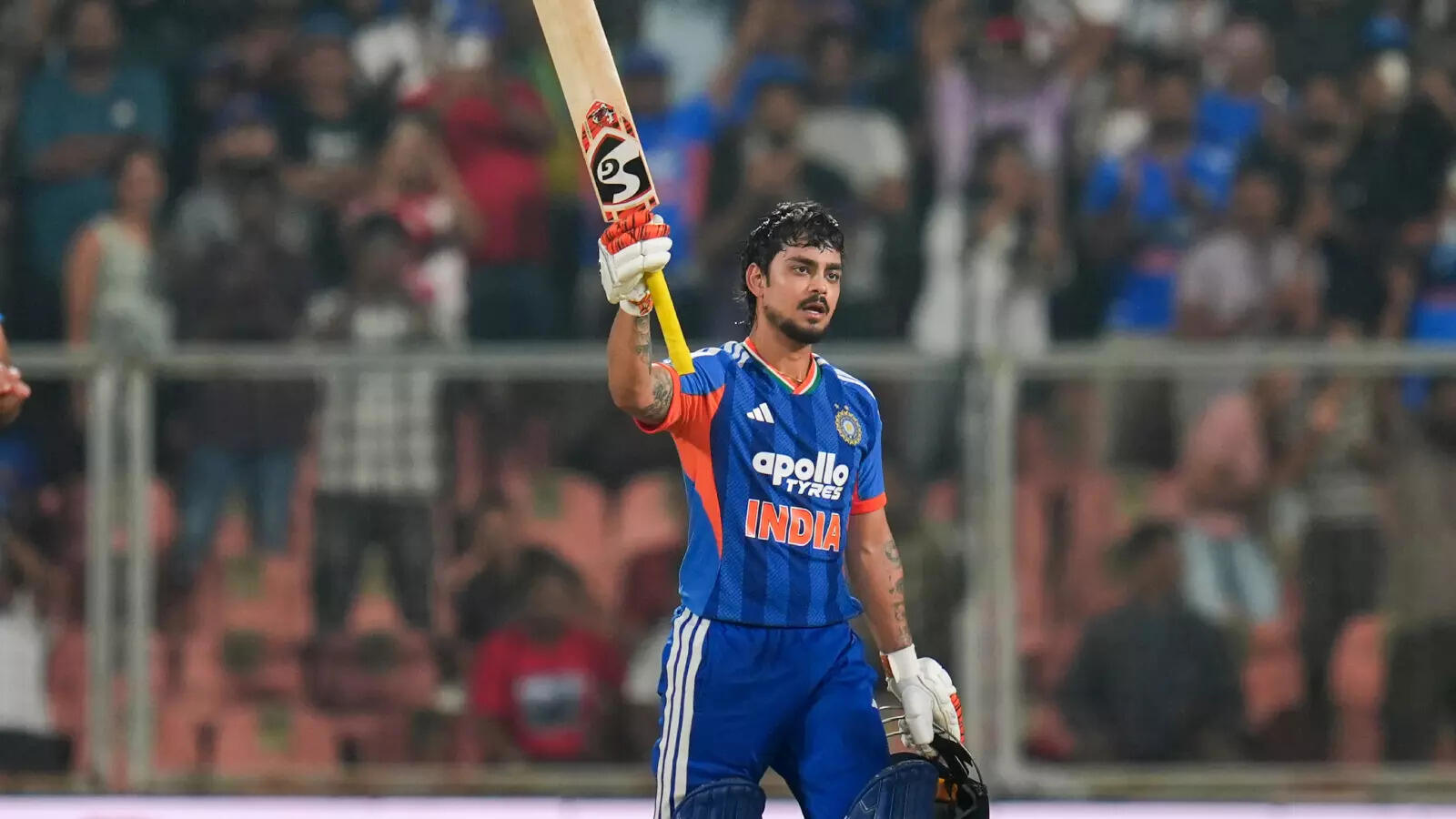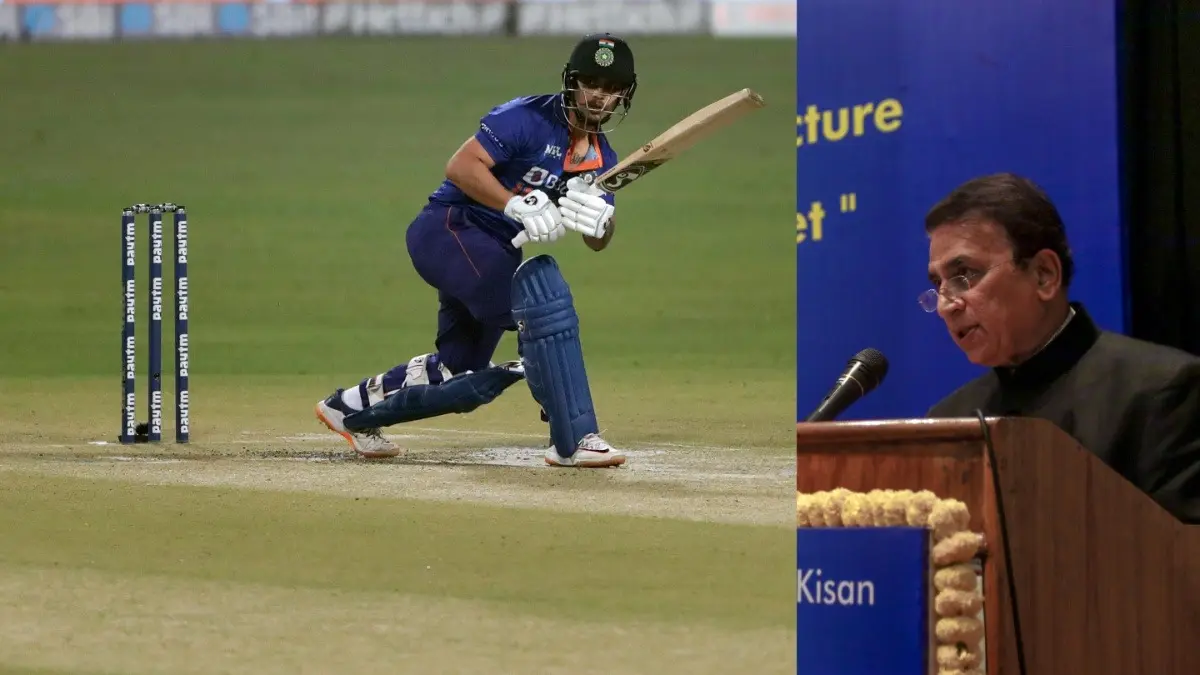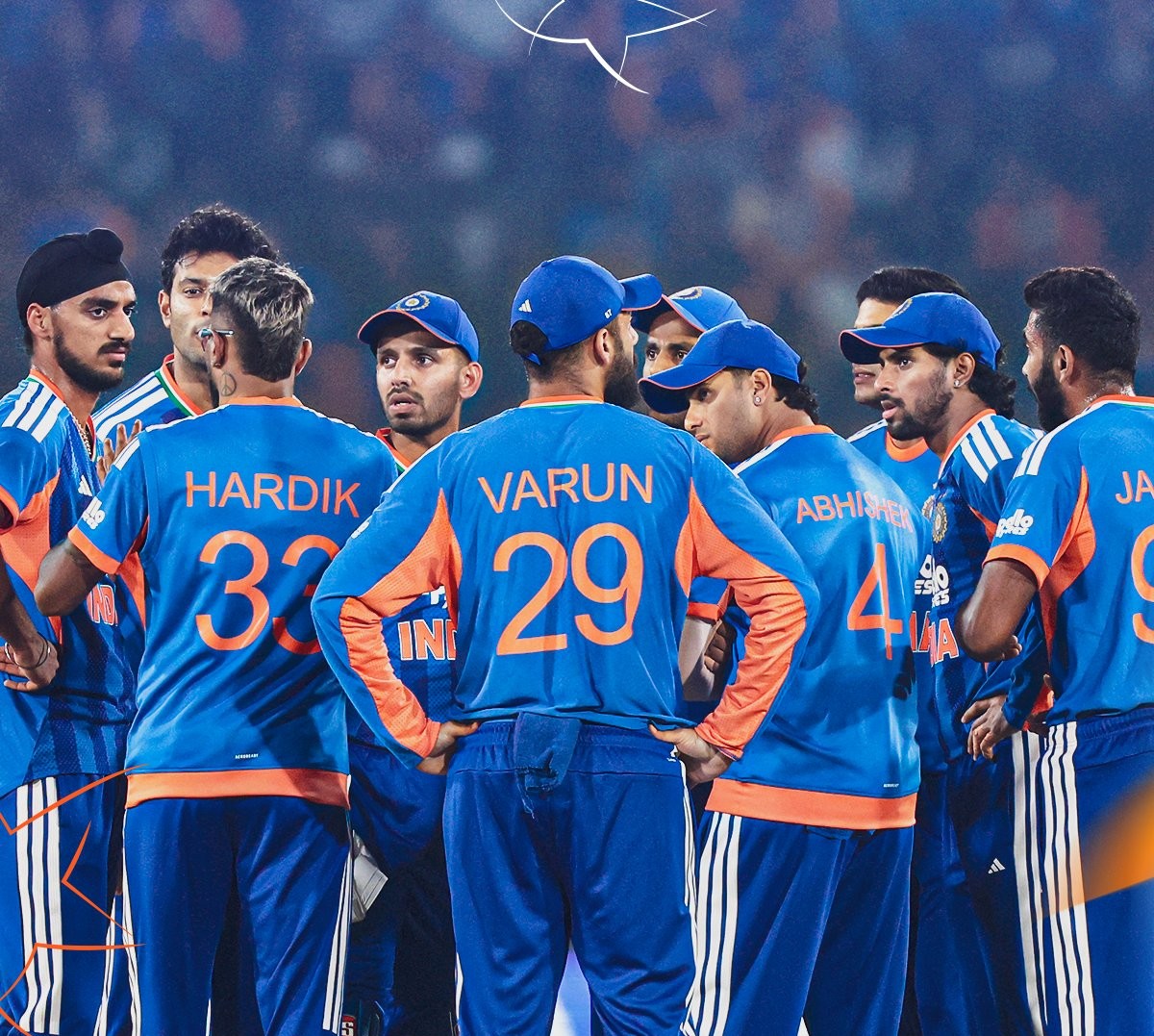
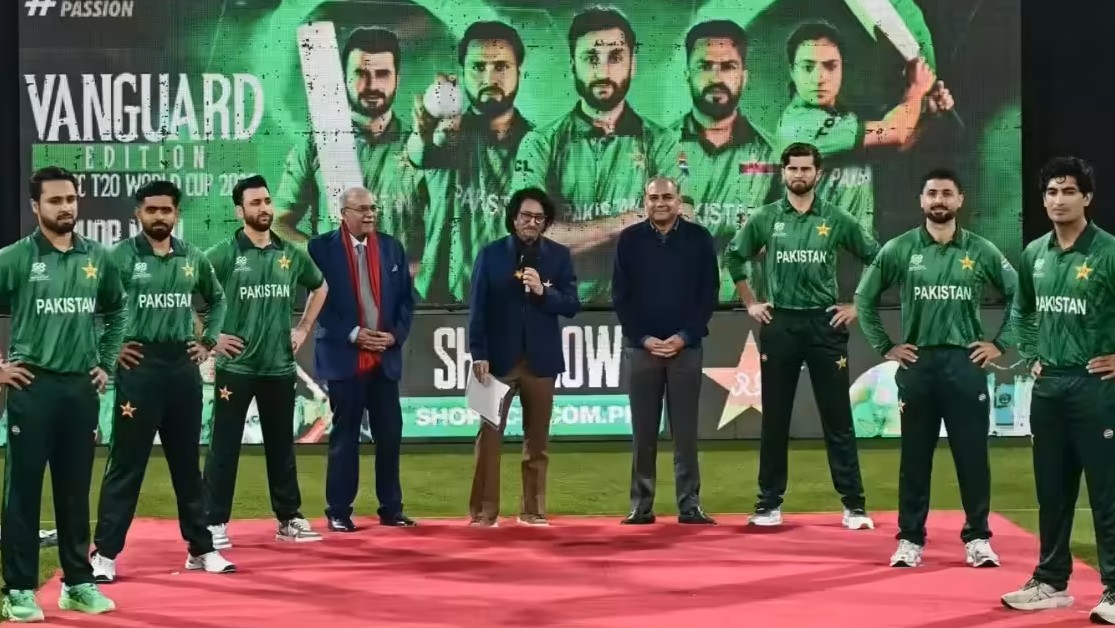
Pakistan could face serious consequences from the International Cricket Council (ICC) after confirming that they will boycott their marquee T20 World Cup 2026 fixture against India.
The Pakistan government announced via its official X account that while the national team has been granted permission to participate in the tournament, it “shall not take the field” for the February 15 clash against India in Colombo. The decision has effectively ruled out an India–Pakistan showdown in the upcoming edition of the World Cup.
No India vs Pakistan blockbuster
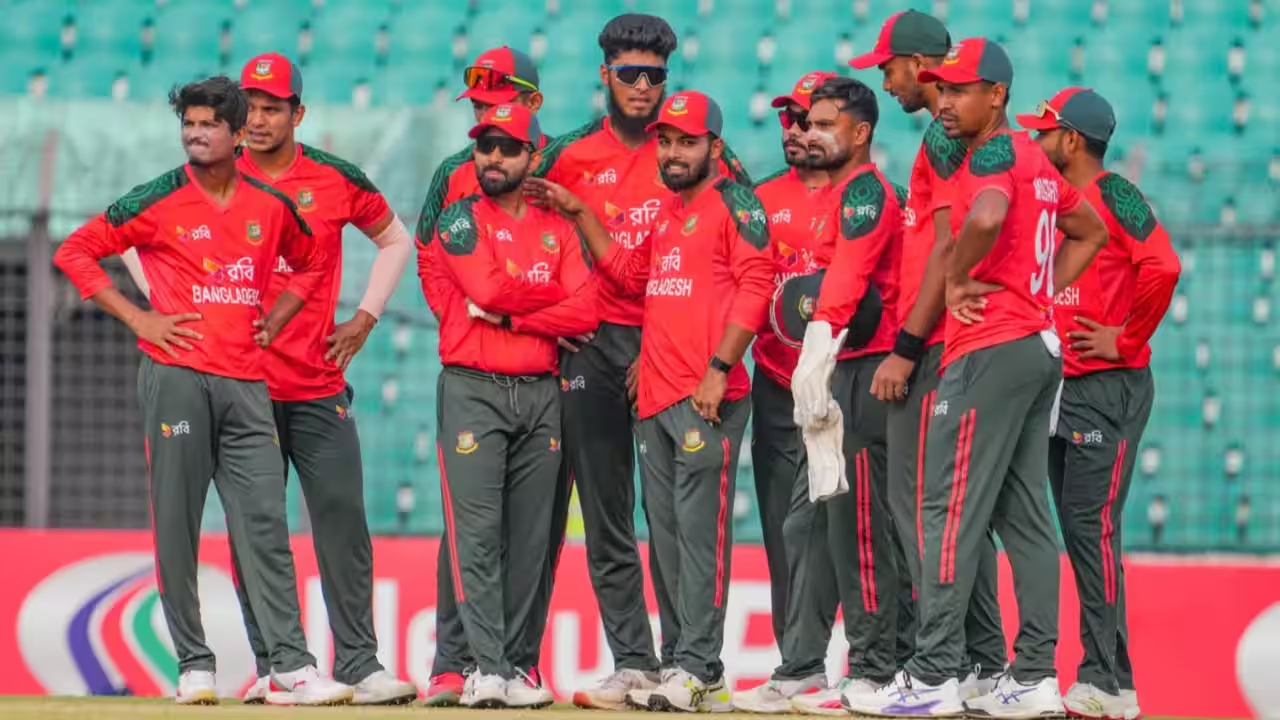
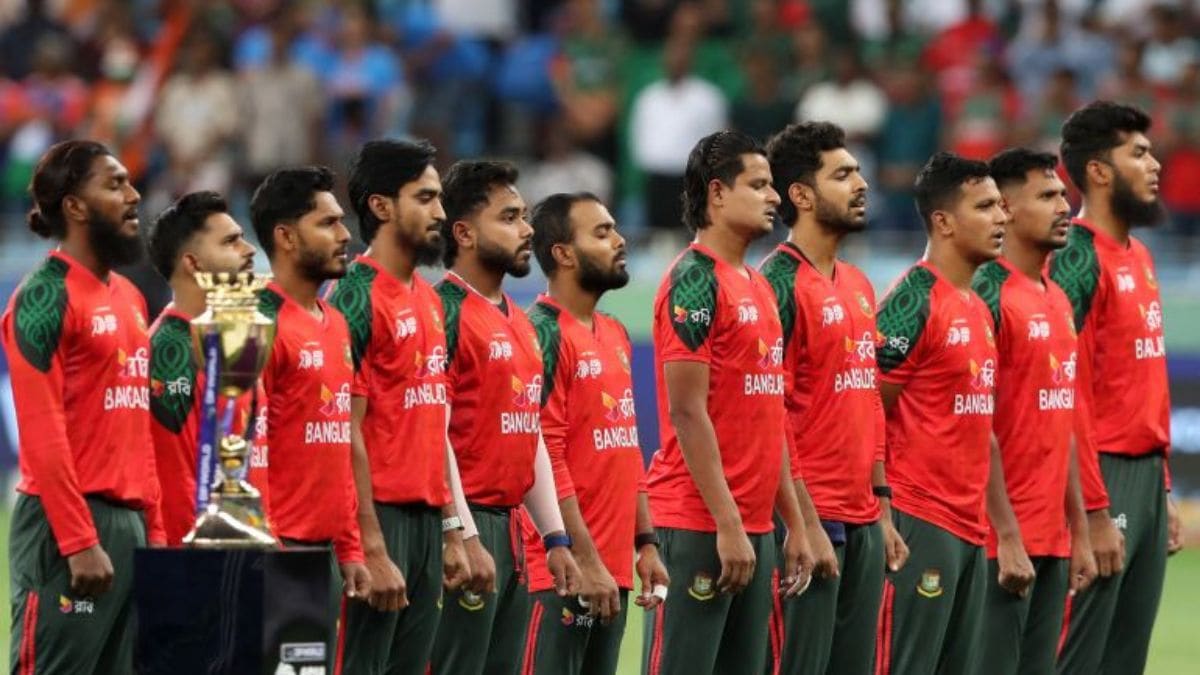
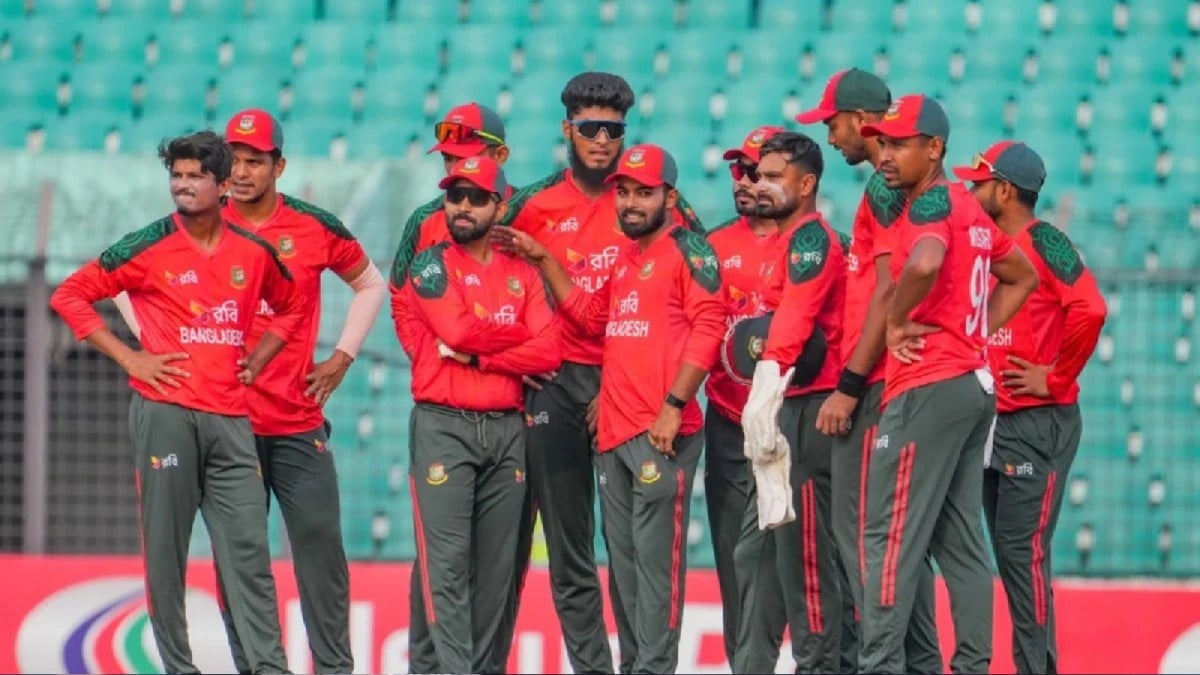
The boycott is being viewed as a show of solidarity with Bangladesh, who were recently removed from the 20-team tournament. The ICC replaced Bangladesh with Scotland after the Bangladesh Cricket Board sought to move their matches out of India citing security concerns—claims the ICC rejected after finding no credible threat.
ICC may act against PCB
Pakistan’s refusal to play India has created a major headache for the ICC, as the India–Pakistan contest is considered the tournament’s biggest commercial driver, generating massive broadcast revenue, sponsorships and global viewership. While a boycott would result in India being awarded two points via a walkover, the ICC is understood to be considering strict action against the Pakistan Cricket Board (PCB).
Potential repercussions could include heavy financial penalties, sanctions for breaching fixture obligations, or even restrictions on Pakistan’s future participation in ICC events. There are also fears that overseas players could face difficulties receiving No Objection Certificates (NOCs) to play in the Pakistan Super League (PSL), while Pakistan could risk losing hosting rights for future ICC tournaments.
Neutral-venue agreement under strain
A tripartite agreement between the Board of Control for Cricket in India, PCB and ICC mandates that all India–Pakistan matches at ICC events be played at neutral venues until 2027. Under this arrangement, Pakistan’s matches were scheduled to be held in Sri Lanka. However, the boycott announcement has now thrown the tournament’s structure into uncertainty.
If the PCB proceeds with its decision, India will receive a walkover, but broadcasters—who rely heavily on the India–Pakistan fixture for peak advertising revenue—could seek compensation from the ICC. Any legal or financial fallout, potentially running into millions, may ultimately be passed on to the PCB.
What lies ahead
The controversy traces back to the ICC’s decision to remove Bangladesh after their refusal to play in India. Despite publicly backing Bangladesh, Pakistan’s own fixtures remain scheduled in Colombo. Led by Salman Ali Agha, Pakistan are set to begin their campaign against the Netherlands on February 7, followed by matches against the USA on February 10 and Namibia on February 18.
With the World Cup approaching fast, all eyes are now on the ICC and whether it will impose sanctions—or if Pakistan will ultimately reconsider its stance on the India clash.