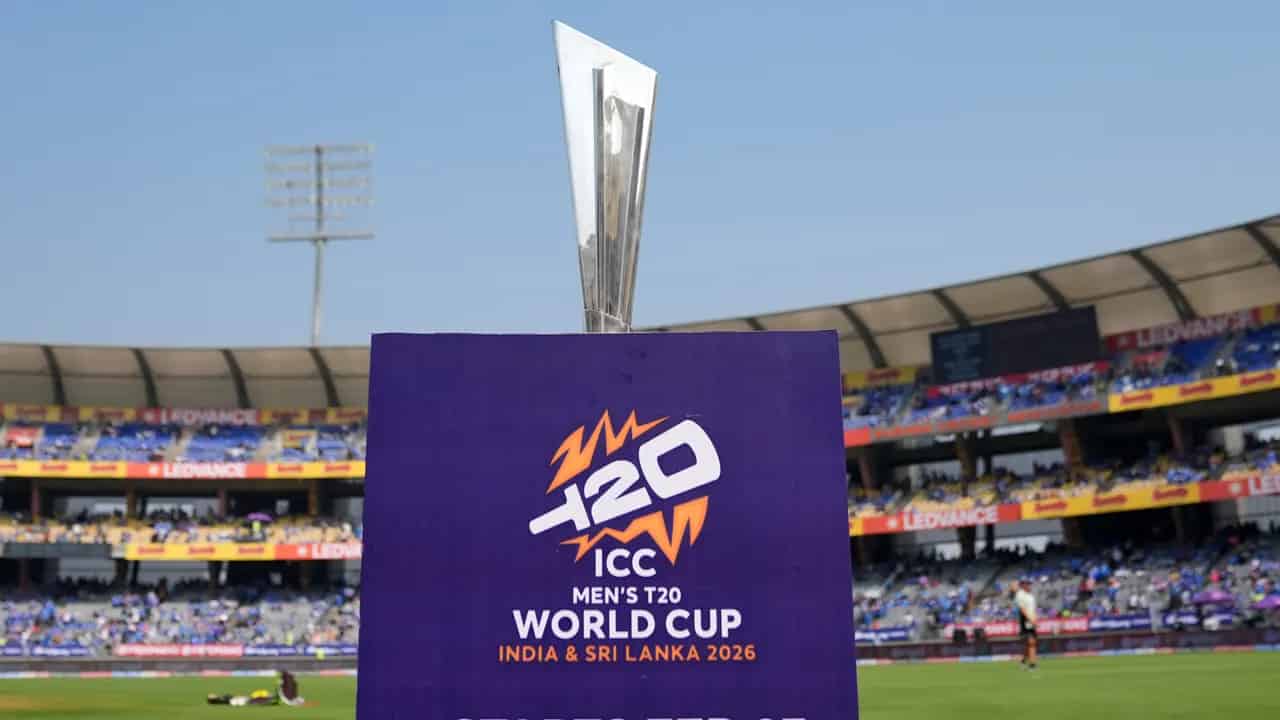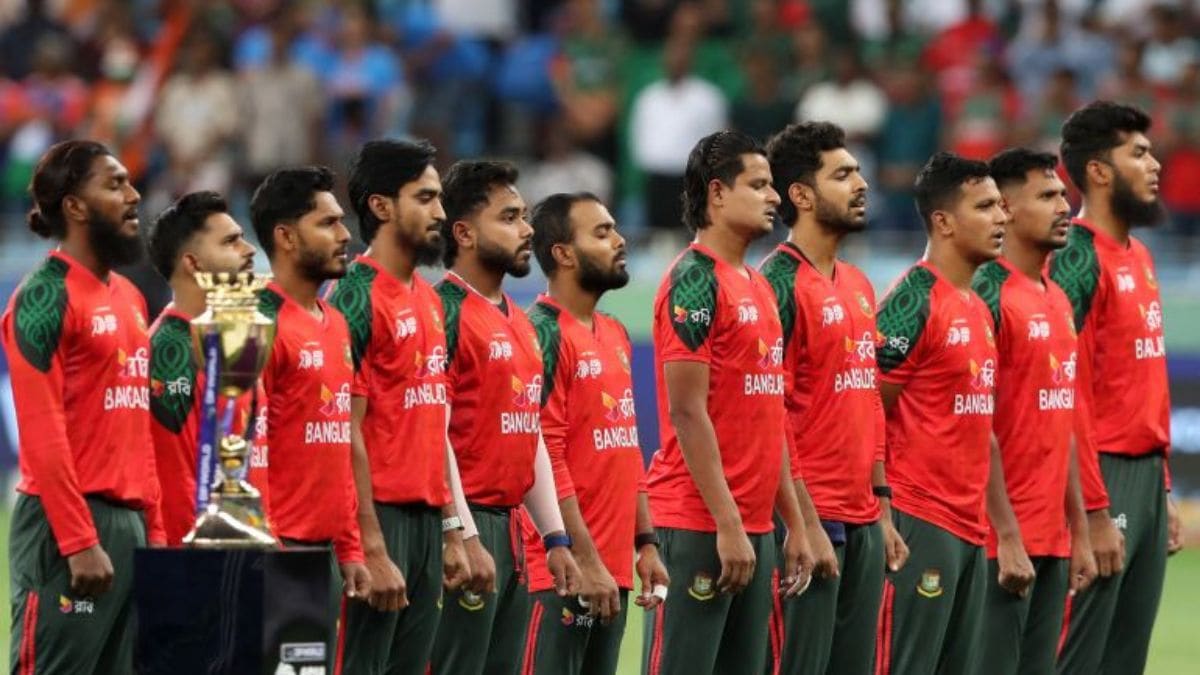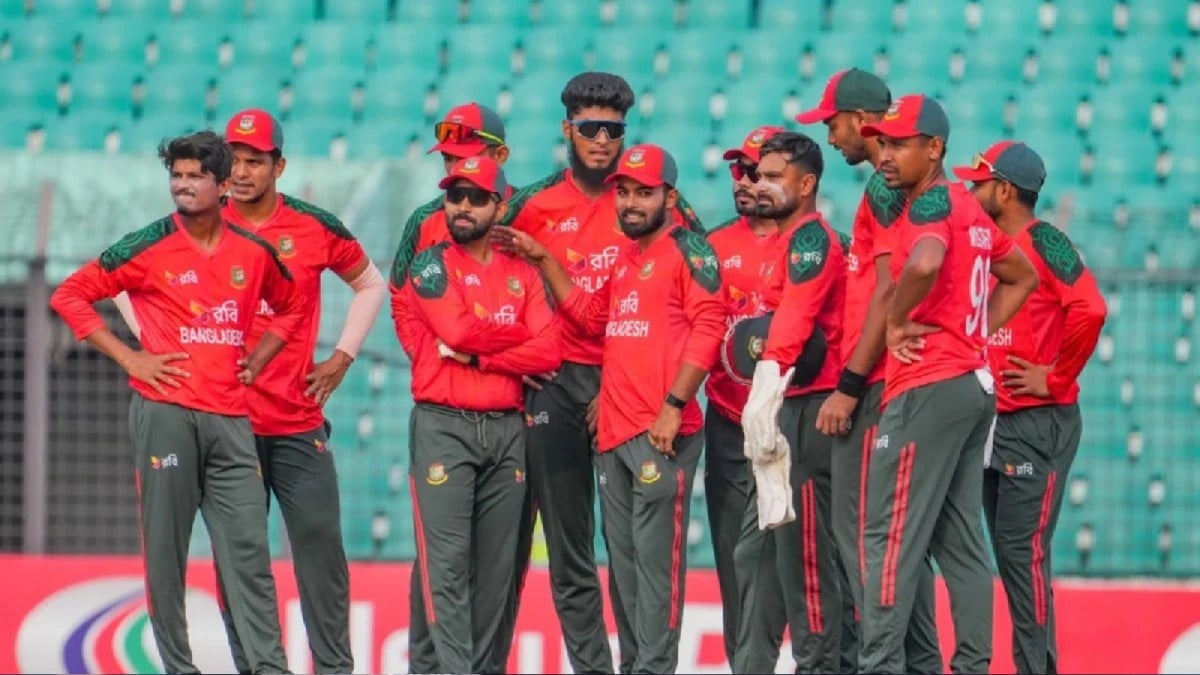
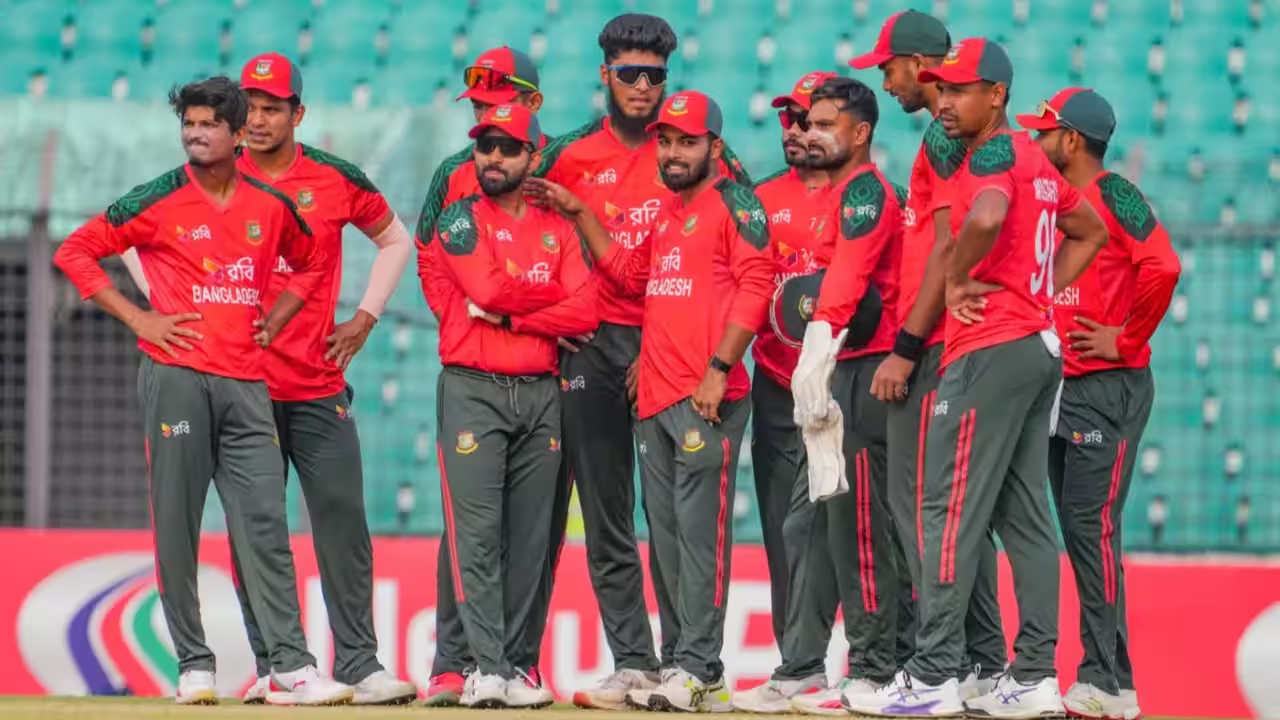
Despite announcing their withdrawal from the ICC Men’s T20 World Cup 2026, the Bangladesh Cricket Board (BCB) has escalated its standoff with the International Cricket Council by seeking formal arbitration over the venue of their matches.
According to reports from The Daily Star, the BCB has sent a fresh communication to the ICC requesting that the ongoing dispute be referred to the ICC’s independent Dispute Resolution Committee (DRC). This follows an earlier report by The Times of India, with a BCB official confirming that a second letter has now been issued to initiate the arbitration process.
Venue dispute escalates
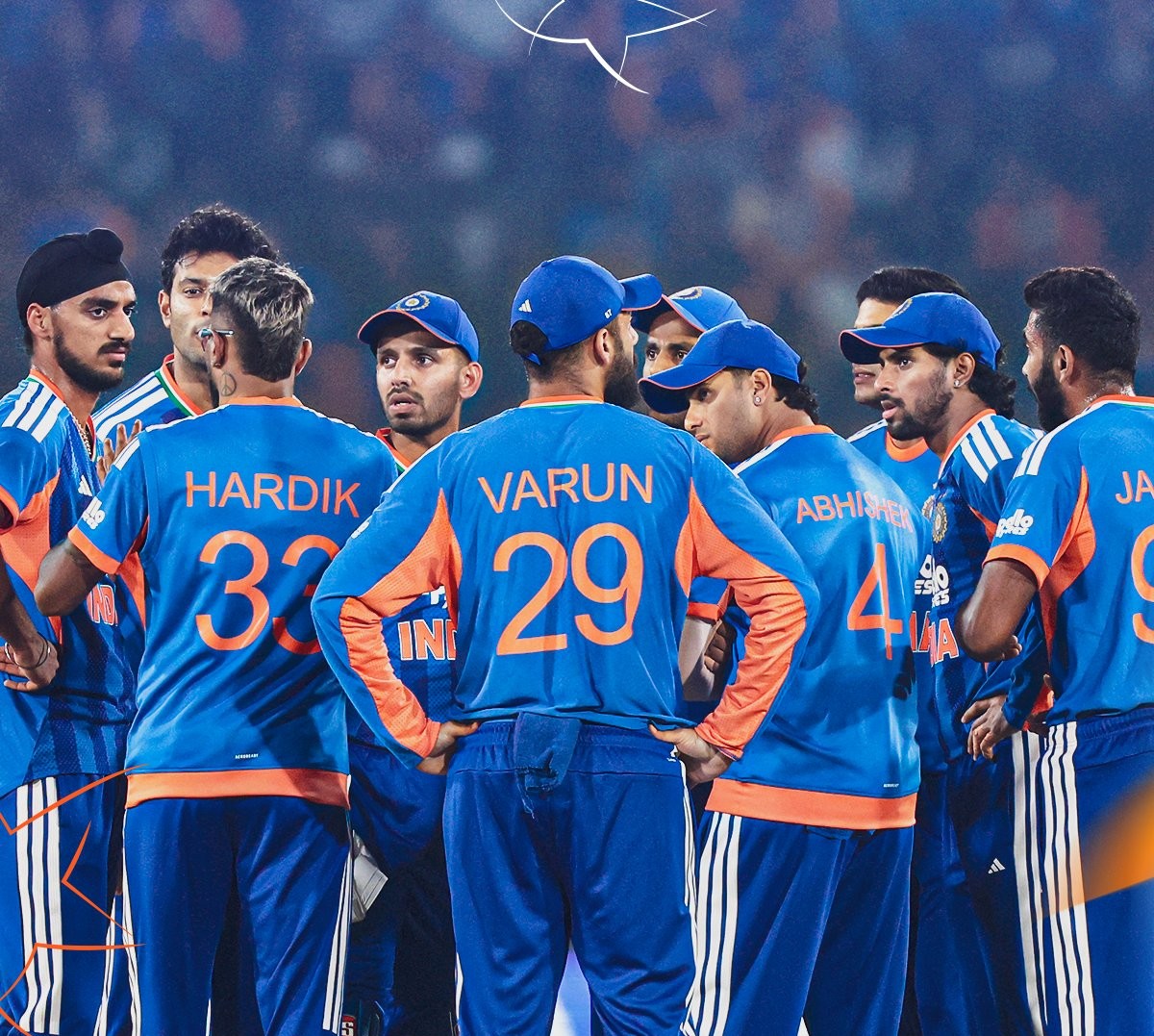
The BCB has maintained that it is unwilling to send its team to India for the tournament, despite India being one of the co-hosts alongside Sri Lanka. The board has instead pushed for its fixtures to be shifted entirely out of India, citing security concerns.
The ICC, however, has rejected the request and decided to stick with the existing schedule. Following a recent meeting, the global body reportedly issued a 24-hour ultimatum asking the BCB—after consulting the Bangladesh government—to confirm whether the national team would travel to India. Soon after, Bangladesh’s interim government publicly stated that the team would boycott the T20 World Cup and not travel to India.
BCB not backing down
Despite that declaration, the BCB’s decision to approach the DRC suggests the board is still exploring ways to force a change rather than accepting the ICC’s stance.
Earlier, BCB president Aminul Islam Bulbul had said that Bangladesh wanted to participate in the marquee event but was “not willing to travel to India.” Even after the ICC turned down the venue-change proposal, Bulbul insisted that the board would “keep fighting” for a solution that allows participation without playing on Indian soil.
What is the ICC Dispute Resolution Committee?
The ICC’s Dispute Resolution Committee functions as an independent arbitration panel that steps in when negotiations between the ICC and its member boards reach a deadlock. Based in London and governed by English law, the DRC focuses on legal and technical interpretations of ICC regulations, contracts and prior decisions.
Unlike a routine appeal body, the committee does not reargue facts but examines whether ICC rules have been correctly applied. Its decisions are confidential, final and legally binding, with scope for court challenges limited to narrow procedural grounds.
With Bangladesh now formally invoking arbitration, the T20 World Cup 2026 controversy appears far from over, setting the stage for a rare and high-stakes legal battle within international cricket.